


Wallpaper Benefits: The Practical Reasons to Choose Wallpaper Over Paint
Choosing a wallcovering is not a one-day decision. The surface you put on a wall has to survive daily life, cleaning, furniture movement, and the occasional knock. Wallpaper handles that pressure better than paint in most cases. It protects the substrate, adds a layer of depth and texture that paint cannot produce, and maintains its appearance for years. When a renovation budget is planned over a longer horizon, wallpaper often wins on both form and function.
Wallpaper Outlasts Paint in Everyday Use
Paint is a thin film. Once it is applied, it is exposed to ultraviolet light, moisture, and mechanical contact. In a hallway, a painted wall starts to show scuffs within months. In a kitchen, steam and grime can stain the surface. Over time, small cracks appear where the building structure moves.
Wallpaper uses a thicker composite that spreads stress across a larger area. A commercial-grade wallpaper is often designed to be scrubbed, so stains can be removed without damaging the decorative print. For a hotel corridor or a busy family home, that difference in durability is measurable. Wallpaper can hold its appearance for well over ten years when it is installed correctly.
Design Flexibility That Paint Cannot Match
Patterns, textures, and color gradients are areas where wallpaper is in a league of its own. Textured wallpaper can bring a tactile quality to a plain wall, and it can be coordinated with fabrics or woodwork without changing the wall structure. Designers use wallpaper to adjust the perceived proportions of a room. Light, vertical stripes make a ceiling feel higher, while a muted print brings warmth to a large living room.
The range is wider than what a paint swatch can offer. If you want an interior to feel complete rather than just painted, the design depth of wallpaper is a genuine advantage. For a closer look at how wallpaper can transform a space, explore our inspiration gallery .
Hiding Wall Imperfections Without Costly Repairs
Most renovation projects live with imperfect walls. Uneven drywall patches, hairline cracks from building settlement, or bumps left by previous installations are common. A coat of paint shows these problems through the surface. Wallpaper, especially when it uses a thicker backing, levels out the appearance of many minor defects.
This makes it a practical solution in older buildings or leased spaces where you cannot rebuild the substrate. Instead of spending time and money on plastering, a wallcovering can deliver a finished look quickly. For project managers, that means less downtime and a lower risk of hidden surface issues showing up after handover.
Comparing Wallpaper Materials
Wallpaper is not a single product. The base material determines how the product behaves in an installation. For buyers, the choice comes down to nonwoven, PVC, or peel-and-stick.
| Material | Best For | Main Strength | Watch Out For |
|---|---|---|---|
| Nonwoven | Bedrooms, living areas, hotels | Breathable, low odor, supports indoor air quality | Needs paste and careful alignment |
| PVC | Kitchens, corridors, high-traffic spaces | Water resistant, scrubbable, durable | Less breathable on damp walls |
| Peel-and-stick | Rentals, temporary spaces, quick updates | Self-adhesive, no paste, easy to remove | Not for rough or crumbly surfaces |
Nonwoven Wallpaper: The Breathable Option
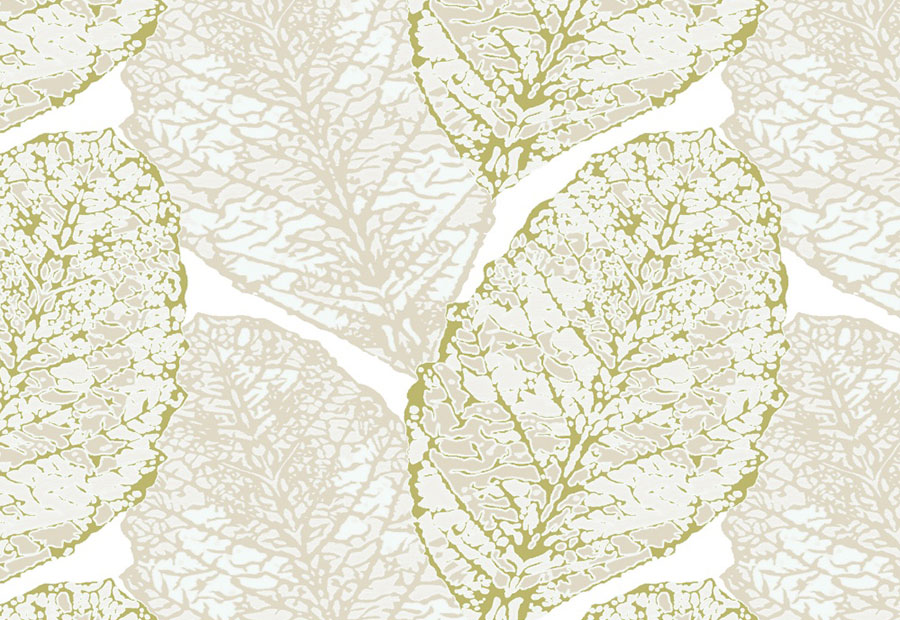 Nonwoven Wallpaper for Breathable and Mold-Resistant Interiors Nonwoven wallpaper is made from pressed natural and synthetic fibers, allowing walls to breathe and reducing mold risk in humid areas. Its low odor makes it a clean choice for bedrooms and bathrooms. View Product →
 Nonwoven wallpaper is produced by pressing natural and synthetic fibers into a stable sheet. The material lets the wall breathe, which helps prevent mold in humid environments such as bathrooms and bedrooms. It is also a cleaner choice for indoor air quality, as it usually has a low odor during installation.
For project managers who need an eco-friendly and comfortable interior, nonwoven is the most balanced option. It gives a soft, natural look that works well in guest rooms and living spaces without sacrificing strength.
PVC Wallpaper: Built for High-Traffic Conditions
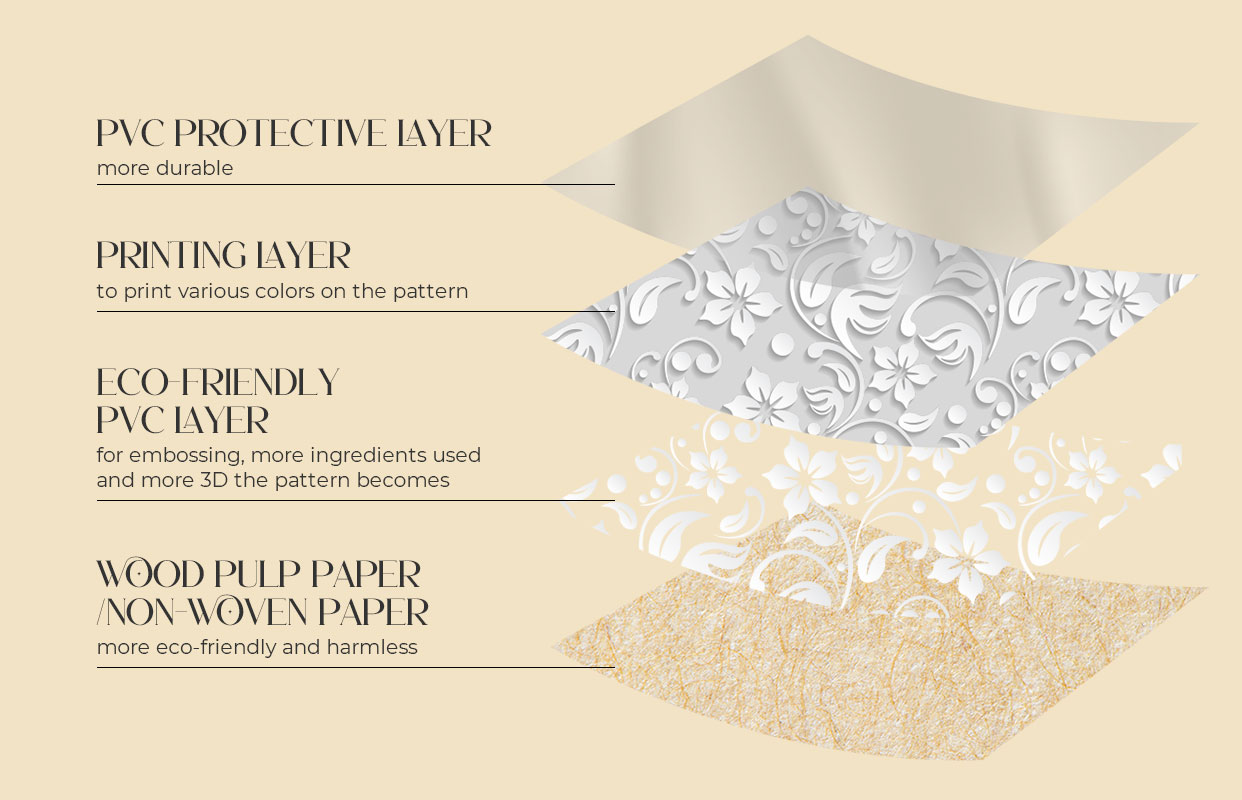 PVC Wallpaper with Durable and Washable Surface for High-Traffic Areas PVC wallpaper features a vinyl layer that resists water, oil, and stains. Easy to wipe clean, it suits kitchens, corridors, and hospitality spaces where walls endure daily contact. View Product →
 PVC wallpaper is made to be washed. It resists water, oil, and common cleaning agents, which makes it a good fit for kitchens, corridors, and hospitality areas. In a hotel lobby, walls are touched by luggage, furniture, and people throughout the day. A PVC surface keeps its look with simple wiping.
Its main trade-off is breathability, so it should not be installed on walls that already have a moisture problem. In the right environment, however, it is one of the most durable wall finishes available.
Peel-and-Stick Wallpaper: Fast Changes Without the Mess
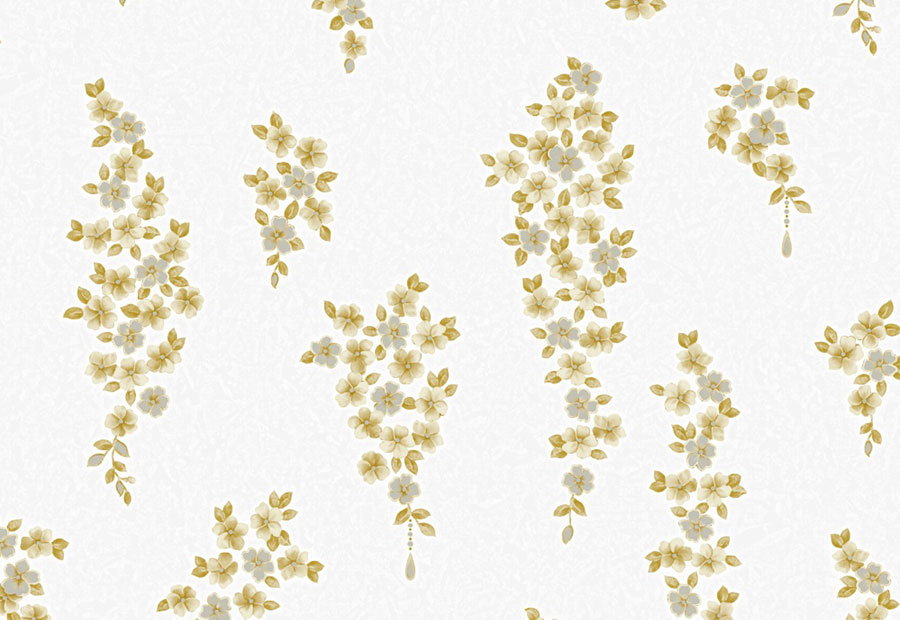 Peel-and-Stick Wallpaper for Easy, Tool-Free Installation and Removal This self-adhesive wallpaper requires no paste or tools, making it ideal for rentals or temporary displays. It can be removed with less effort, offering flexibility for changing designs. View Product →
 Peel-and-stick wallpaper removes the need for paste and tools. It is self-adhesive, and installation is a one-person job. For rental apartments, showrooms, or any space where the design may change seasonally, this material is very practical. You can also remove it later with less effort than traditional wallpaper.
The main requirement is a smooth and clean surface, which is normal in most modern interiors. This option is also a good way to test a design before committing to a longer-term installation.
Sustainable Wallpaper Options Are Now a Reality
Wallpaper production has moved towards more responsible materials. Nonwoven wallcoverings and water-based adhesives have reduced the amount of harmful compounds in installed interiors. At the same time, durability plays a role in sustainability, because replacing a surface less often reduces waste.
The connection between sustainable design and wallpaper was a clear theme in recent industry events, including a high-end interior design exhibition that highlighted sustainable and customizable wallcoverings . For buyers who compare products, checking the base material and its expected lifespan is a better way to measure long-term impact than looking only at a marketing label.
Wallpaper in Hotel and Commercial Projects
Wallpaper serves a different purpose in commercial projects. Hotel procurement teams are not only choosing a surface for a room; they are protecting an asset. The wallcovering has to withstand daily guest activity and still look fresh for many years.
Wallpaper contributes to that goal by resisting scuffs and reducing repainting cycles. It also helps a hotel carry a consistent design language through the lobby, corridor, and guest rooms. In that sense, a wallcovering supplier who understands both production and installation becomes part of the maintenance strategy for a building.
Cost and Long-Term Value
The price of wallpaper is initially higher than paint. That is a fact. But cost should be considered across the service life. A painted wall in a high-traffic area usually needs a new coat within three to five years. A wallpaper that lasts between ten and fifteen years removes that repainting cycle.
Add the labor savings, the reduced room downtime, and the lower maintenance frequency, and wallpaper often becomes the more economical choice over a full operating cycle. For commercial buyers, this calculation is decisive when the wall area is large.
As a wallcovering solution, wallpaper brings together a long service life, a wider design range, and a protective barrier for the wall behind it. It also fits into a thoughtful renovation schedule. The best results come from matching the base material to the specific environment and from working with a wallcovering manufacturer who understands both the product and the application. That is what makes wallpaper a practical choice rather than just a decorative one.
PRIVILEGIUM AD FRUCTUS;
Offert et SPIRITUS
-
Velox Vincula
Wallpapers Mos Our Story Factory News Contact Us -
Contact Us
+86-19157608277 [email protected] Locus DIX, T2, Fuyi Hortus Centrum, Shangcheng Districtus, Hangzhou urbs, Zhejiang Provincia, China

 Eco Friendly Wallpaper Manufacturer Hotel Wallpaper Supplier